
The world of personal watercraft has expanded rapidly over the last few decades, transforming from simple recreational machines into powerful, high-performance vehicles designed for thrill, exploration, and relaxation on the water. Among the many names gaining attention in the watersports space, ijetski has emerged as a term associated with excitement, innovation, and aquatic freedom. Whether someone is a beginner stepping onto a personal watercraft for the first time or an experienced rider seeking advanced performance, understanding what ijetski represents can open the door to an entirely new water adventure lifestyle. A personal watercraft experience built around ijetski combines speed, maneuverability, technology, and recreational enjoyment. Riders are not simply passengers on a boat; they become active participants in controlling a machine that glides across lakes, rivers, and coastal waters with precision and agility. The sense of independence, combined with the thrill of acceleration and wave carving, has helped the ijetski concept grow into a recognizable element of modern watersports culture.
The Rise of Ijetski in Modern Watersports
Personal watercraft have evolved dramatically since their earliest forms. Early machines were small, relatively basic, and designed primarily for short recreational rides. As engineering improved and demand increased, manufacturers began introducing more powerful engines, better hull designs, and advanced features that enhanced both safety and comfort.
Within this environment, ijetski became associated with a new generation of watercraft experiences. The concept emphasizes several important qualities:
• High-performance riding capability
• Responsive handling on different water surfaces
• Comfortable seating and rider ergonomics
• Modern design with improved stability
• Technology that enhances control and safety
This evolution reflects a broader trend in outdoor recreation. People today want activities that combine adrenaline, freedom, and accessibility. Riding an ijetski offers exactly that: the feeling of speed while still being approachable for beginners who are willing to learn the basics.
How an Ijetski Works
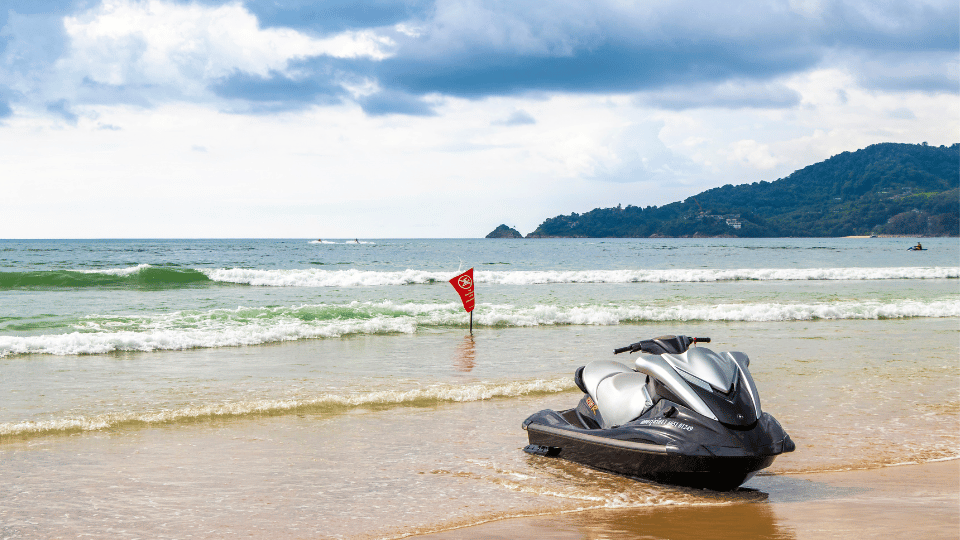
At its core, an ijetski operates using a jet propulsion system rather than a traditional propeller. Understanding the basic mechanics helps riders appreciate the precision and power behind the experience.
Jet Propulsion System
Instead of spinning a propeller beneath the water like a boat, an ijetski pulls water into an intake grate beneath the hull. The water is then forced through a powerful pump and expelled through a nozzle at the back of the craft.
This process produces thrust, pushing the craft forward. Steering occurs by redirecting the jet stream using handlebars connected to the nozzle.
The benefits of this system include:
• Increased maneuverability
• Reduced risk of exposed propellers
• Quick acceleration and responsive control
Because the propulsion system is compact, an ijetski can maintain a lightweight structure that allows riders to make tight turns and rapid directional changes.
Hull Design and Stability
The hull plays a crucial role in how an ijetski interacts with water. Engineers shape the hull to balance speed with stability.
Common hull characteristics include:
• Deep-V shapes for smoother rides in rough water
• Wide rear platforms for improved balance
• Reinforced materials to withstand impact and wave stress
These design choices allow riders to experience both high speed and controlled handling, even when conditions change.
Why Riders Are Drawn to the Ijetski Experience
The popularity of ijetski riding comes from a combination of emotional and practical factors. Many people describe the experience as one of the most engaging ways to interact with open water.
Freedom on Open Water
One of the strongest appeals of an ijetski is the sense of freedom. Unlike larger boats that require docks, anchors, and complex navigation planning, a personal watercraft offers quick access to exploration.
Riders can:
• Cruise along coastlines
• Explore hidden coves
• Ride across lakes at sunrise or sunset
• Navigate narrow waterways
The craft’s size and agility make spontaneous adventures possible.
Adrenaline and Performance
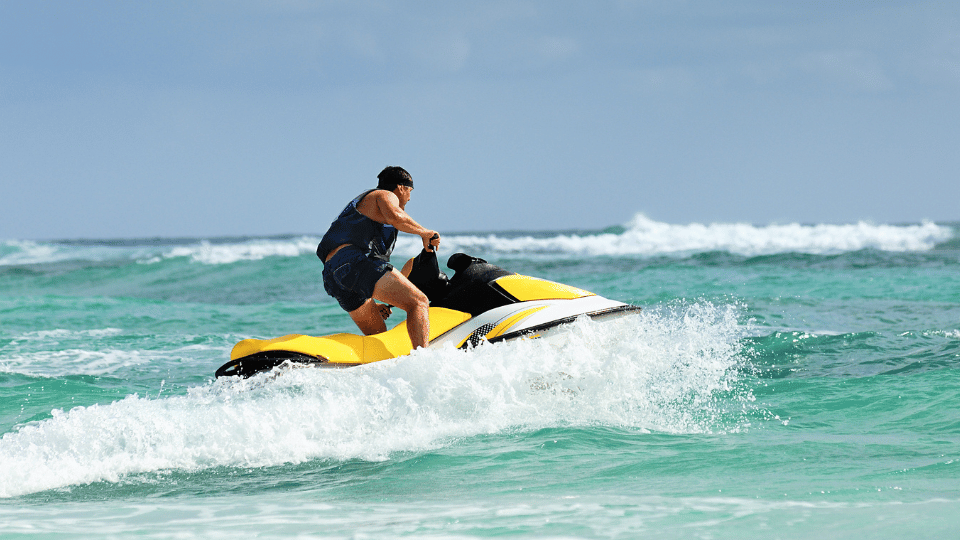
For thrill-seekers, the power of an ijetski delivers instant excitement. Modern machines can accelerate rapidly, creating an exhilarating ride that feels similar to high-performance motorsports but on water.
Key performance elements include:
• Quick throttle response
• Tight cornering ability
• Wave jumping potential
• High top speeds on calm water
This combination turns ordinary water surfaces into dynamic playgrounds for riders.
Social and Family Recreation
Although the image of a single rider carving waves is common, many ijetski models are designed for multiple passengers. Families and friends can share the experience by riding together.
Group activities often include:
• Guided coastal tours
• Friendly racing competitions
• Waterfront exploration trips
• Relaxed cruising during vacations
This social aspect helps make ijetski riding appealing across age groups.
Types of Ijetski Experiences
Not every rider approaches an ijetski in the same way. Different styles of riding cater to different interests and skill levels.
Recreational Cruising
Recreational riding focuses on relaxed travel across water. Riders maintain moderate speeds and enjoy the scenery rather than pushing performance limits.
This style emphasizes:
• Comfort
• Fuel efficiency
• Stable handling
Many beginners begin their journey with recreational cruising before exploring more advanced riding techniques.
Performance Riding
Performance enthusiasts push the limits of their ijetski. They explore tight turns, high speeds, and aggressive maneuvering.
Performance riding often includes:
• Wave carving
• Rapid acceleration runs
• Competitive racing environments
This style requires greater experience and a deeper understanding of watercraft control.
Touring and Exploration
Some riders use their ijetski as a tool for long-distance exploration. Touring models offer extended fuel capacity, comfortable seating, and additional storage.
Touring adventures may involve:
• Traveling between islands
• Exploring remote waterways
• Multi-hour coastal rides
These journeys highlight the versatility of the ijetski concept beyond simple recreation.
Essential Safety Practices
While riding an ijetski can be thrilling, safety should always remain a priority. Responsible riders protect themselves and others on the water.
Important safety practices include:
• Wearing a properly fitted life jacket
• Understanding local water regulations
• Maintaining safe distances from swimmers and boats
• Avoiding reckless speed near crowded areas
• Checking weather conditions before riding
Proper preparation helps ensure that the experience remains enjoyable and risk-free.
Learning Proper Control Techniques
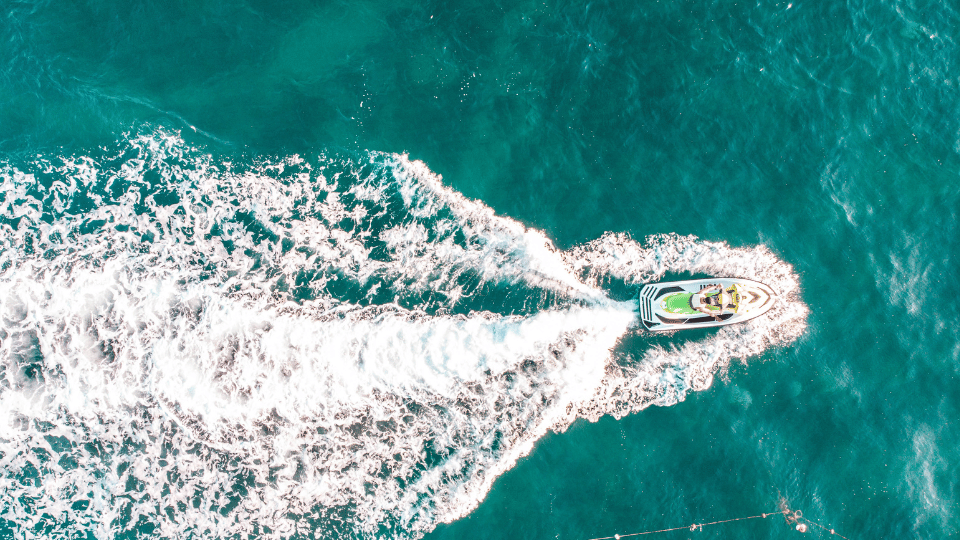
New riders benefit from practicing basic control techniques before attempting high-speed maneuvers. Key skills include:
• Smooth throttle control
• Gradual turning techniques
• Safe stopping distances
• Maintaining balance in choppy water
These foundational skills allow riders to handle an ijetski confidently.
Maintenance and Care for an Ijetski
Like any performance machine, an ijetski requires consistent care. Regular maintenance keeps the craft reliable and extends its lifespan.
Routine maintenance tasks include:
• Flushing the engine with fresh water after saltwater use
• Inspecting the jet pump and intake grate
• Checking fuel systems and filters
• Monitoring battery condition
Owners who maintain their watercraft properly enjoy better performance and fewer mechanical issues. In simple terms, the design allows energy produced by the body or a mechanism to be distributed more efficiently across the lifting structure like nurlwet.
Storage Considerations
Proper storage also protects an ijetski from damage.
Best practices include:
• Using protective covers
• Storing in dry environments
• Removing batteries during long storage periods
• Winterizing engines in colder climates
These steps prevent corrosion and ensure the craft is ready for the next season.
Environmental Awareness
As watersports continue to grow, riders are becoming more conscious of their environmental impact. Responsible ijetski usage supports healthy ecosystems and sustainable recreation.
Ways riders can protect the environment include:
• Avoiding shallow areas with sensitive habitats
• Respecting wildlife and marine life
• Preventing fuel or oil leaks
• Following designated boating zones
By adopting responsible practices, riders help preserve waterways for future generations.
Technology and Innovation in Ijetski Design
Modern engineering has transformed the capabilities of personal watercraft. The latest ijetski models often incorporate sophisticated technology that enhances both performance and rider experience.
Advanced features may include:
• Digital display systems with navigation data
• Intelligent throttle control
• Cruise assistance modes
• Advanced hull materials for durability
These innovations make riding smoother, safer, and more intuitive.
Smart Control Systems
Electronic control systems can adjust engine behavior depending on riding conditions. For example, beginner modes may limit acceleration while performance modes unlock full engine power.
This flexibility allows a single ijetski to serve both new riders and experienced enthusiasts.
Choosing the Right Ijetski
Selecting the right ijetski depends on several personal factors. Riders should consider their goals, budget, and typical riding environment.
Key factors include:
• Engine power and acceleration
• Passenger capacity
• Storage space
• Fuel efficiency
Someone interested in relaxed cruising may prioritize comfort and stability, while a performance rider might choose a model with stronger acceleration and agile handling.
Budget and Ownership Costs
The cost of owning an ijetski goes beyond the initial purchase. Riders should also account for:
• Maintenance expenses
• Storage fees
• Fuel costs
• Insurance
Planning ahead helps owners enjoy the experience without unexpected financial strain.
Ijetski Culture and Community
Over time, ijetski riding has developed a vibrant community of enthusiasts who share a passion for water adventure.
Events and gatherings often include:
• Group riding tours
• Racing competitions
• Waterfront meetups
These communities create opportunities for riders to exchange knowledge, share experiences, and celebrate the excitement of life on the water.
Online communities also play a major role. Riders frequently share videos, performance tips, and travel experiences that inspire others to explore new waterways.
The Future of Ijetski Adventures
As technology continues to evolve, the future of ijetski riding looks increasingly exciting. Innovations in electric propulsion, lightweight materials, and smart navigation systems are expected to reshape the personal watercraft landscape.
Possible future developments include:
• Electric watercraft with zero emissions
• Enhanced stability systems
• Longer range capabilities
• Integrated navigation and safety technology
These advancements will likely make ijetski riding more accessible, environmentally friendly, and technologically sophisticated.
Final Thoughts on the Ijetski Lifestyle
For many people, riding an ijetski becomes more than just a weekend activity. It evolves into a lifestyle centered on exploration, freedom, and connection with water. The combination of speed, agility, and open-water adventure creates experiences that are difficult to replicate in other forms of recreation.
Whether cruising peacefully across a calm lake, navigating winding coastal channels, or sharing the ride with friends and family, the ijetski experience captures a unique balance between thrill and tranquility.
With responsible riding, proper maintenance, and respect for the environment, this dynamic watercraft continues to inspire countless enthusiasts who seek adventure beyond the shoreline.