
Osnovno uciliste plays a crucial role in shaping a child’s intellectual, social, and emotional development. It represents the first formal stage of structured learning where children begin to build the knowledge and life skills that will guide them throughout their educational journey and future careers.
During the years spent in osnovno uciliste, children learn far more than academic subjects. They begin to understand responsibility, develop friendships, discover their interests, and learn how to think critically about the world around them. This stage of education forms the backbone of lifelong learning.
Modern education systems have transformed significantly over the years. As a result, the concept of osnovno uciliste has evolved to include new teaching methods, digital tools, and student-centered learning approaches that focus on both knowledge and personal growth.
The Importance of Primary Education
The first day a child enters osnovno uciliste often marks an exciting transition from early childhood into a more structured environment. It is here that children begin developing habits that will influence their academic and personal lives like nurlwet.
Primary education provides the groundwork for understanding essential concepts and skills that students will build upon in later stages of education.
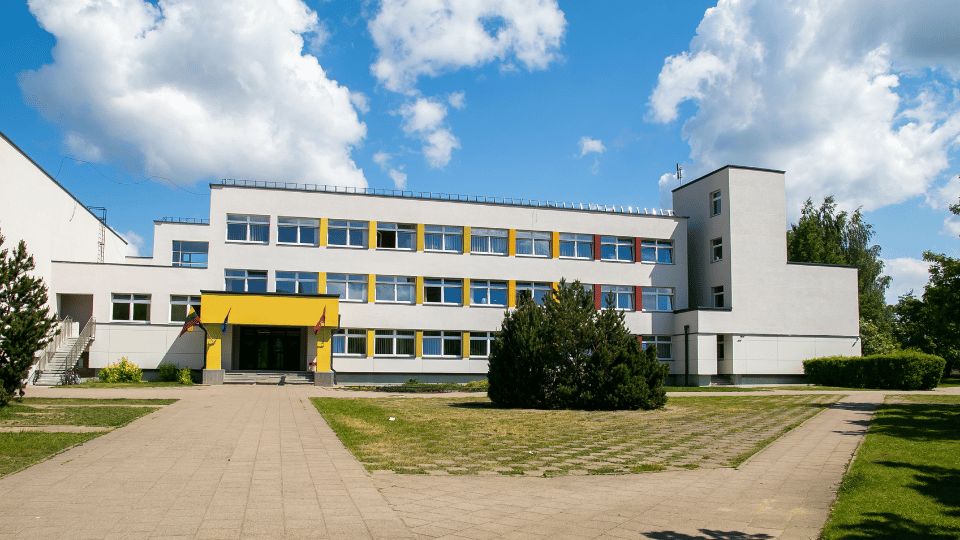
Key benefits of attending osnovno uciliste include:
- Development of literacy and numeracy skills
- Introduction to structured learning environments
- Growth of curiosity and critical thinking
- Formation of social and emotional skills
- Building independence and responsibility
Through daily lessons, collaborative activities, and teacher guidance, students gradually become confident learners. The experience of osnovno uciliste encourages exploration and nurtures a love for learning that can last a lifetime.
Children often discover their strengths and interests during this stage. Whether it is science, arts, sports, or languages, osnovno uciliste helps identify talents and encourages students to pursue them.
Structure and Curriculum of Osnovno Uciliste
The educational structure within osnovno uciliste is carefully designed to support gradual intellectual development. The curriculum is organized to introduce basic knowledge before moving toward more complex ideas.
Students typically study a range of subjects that promote balanced growth and understanding of different fields.
Common subjects taught include:
- Native language and literature
- Mathematics
- Natural sciences
- Social studies
- Physical education
- Art and music
- Foreign languages
Each subject contributes to the overall educational experience. Mathematics builds logical thinking, languages enhance communication skills, and science encourages curiosity about the natural world.
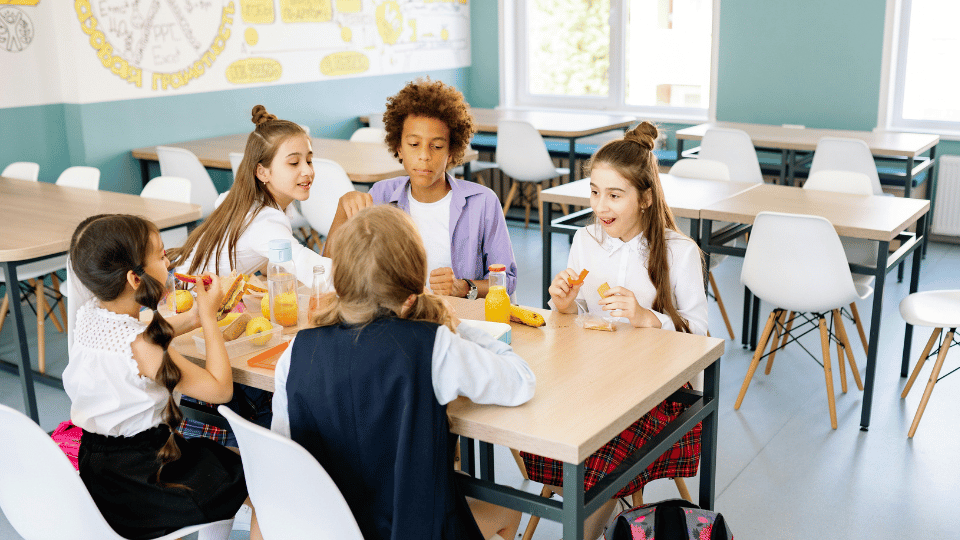
Many schools also incorporate additional learning opportunities such as:
- coding and robotics
- environmental education
- creative workshops
- cultural activities
- community projects
These programs enrich the experience of osnovno uciliste, helping students develop diverse skills beyond traditional academics.
The Role of Teachers in Student Development
Teachers are central to the success of every osnovno uciliste. Their influence extends far beyond delivering lessons. They guide students through challenges, inspire curiosity, and create an environment where children feel safe to express their ideas.
An effective teacher demonstrates several important qualities:
- patience and understanding
- clear communication
- encouragement of creativity
- adaptability to different learning styles
Each child learns at a different pace. A supportive teacher recognizes these differences and adjusts their teaching approach accordingly. Within osnovno uciliste, this personalized support helps ensure that no student is left behind.
Teachers also serve as role models. Their behavior, values, and attitude toward learning can significantly influence the way students view education and personal growth.
Collaboration Between School and Families
The success of osnovno uciliste often depends on strong cooperation between teachers and parents. When families actively participate in their child’s education, students tend to perform better academically and socially.
Strong partnerships between parents and schools provide:
- consistent support for students
- better communication about progress
- early identification of learning challenges
- encouragement for personal development
Regular parent meetings, school events, and communication channels help maintain this connection. When children see adults working together to support their education, they are more likely to stay motivated and engaged.
Social Skills and Peer Interaction
One of the most valuable aspects of osnovno uciliste is the opportunity for children to interact with peers. Daily communication with classmates helps students develop important social abilities.
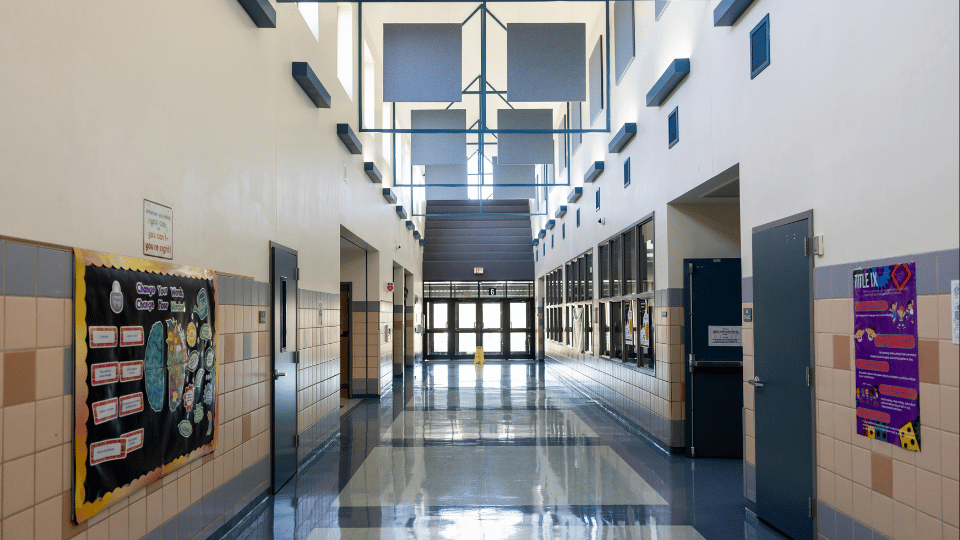
In a classroom setting, children learn:
- how to cooperate with others
- how to manage disagreements
- the importance of empathy
- respect for different perspectives
These experiences prepare students for future social environments in higher education, workplaces, and communities.
Group activities, projects, and team-based assignments are often used in osnovno uciliste to promote collaboration. Such activities encourage students to listen, share ideas, and work toward common goals.
Friendships formed during these years can also have a lasting impact. Many people maintain relationships with classmates they first met in primary school.
Technology in Modern Classrooms
Technology has transformed the learning environment within osnovno uciliste. Digital tools allow teachers to create engaging lessons and provide students with access to a vast amount of information.
Common technological tools used in classrooms include:
- interactive smart boards
- educational tablets
- online learning platforms
- digital assignments and quizzes
These tools help make learning interactive and visually engaging. For example, science concepts can be demonstrated through simulations, and geography lessons can include virtual maps and multimedia presentations.
However, maintaining balance is essential. While technology enhances the learning experience, osnovno uciliste still relies on traditional educational practices such as reading books, writing by hand, and engaging in face-to-face discussions.
Creativity and Artistic Expression
Creative development is an essential part of education within osnovno uciliste. Artistic subjects allow children to explore their imagination and express themselves in unique ways.
Artistic activities may include:
- painting and drawing
- music and singing
- drama and storytelling
- craft and design projects
Participation in these activities supports emotional expression and helps children build confidence. Creative education also encourages innovative thinking, which is valuable in many aspects of life.
Schools often organize exhibitions, performances, or cultural events where students can showcase their talents. These experiences reinforce the idea that creativity is just as important as academic achievement in osnovno uciliste.
Physical Education and Healthy Development
Physical activity plays a major role in the educational experience provided by osnovno uciliste. Regular exercise improves concentration, strengthens the body, and supports overall well-being.
Physical education programs aim to develop:
- coordination and motor skills
- teamwork and sportsmanship
- discipline and perseverance
- healthy lifestyle habits
Many schools also offer extracurricular sports programs, allowing students to pursue interests such as football, basketball, athletics, or gymnastics.
Participation in sports can teach valuable life lessons about teamwork, resilience, and dedication.
Developing Independence and Responsibility
One of the long-term goals of osnovno uciliste is to help children become independent learners. As students progress through their school years, they gradually take greater responsibility for their academic tasks.
This process involves learning how to:
- organize homework and assignments
- manage time effectively
- prepare for tests and evaluations
- set personal academic goals
These skills help students transition smoothly into higher levels of education. More importantly, they prepare children to handle responsibilities beyond school.
Teachers and parents often encourage independence by allowing students to solve problems on their own while still providing guidance when needed.
Challenges Facing Modern Primary Schools
Despite its importance, osnovno uciliste faces several modern challenges. Education systems must adapt to changing social conditions, technological advancements, and diverse student needs.
Some of the common challenges include:
- increasing academic pressure
- digital distractions
- differences in learning abilities
- maintaining student motivation
To address these issues, many schools are adopting innovative teaching strategies such as project-based learning, experiential education, and personalized instruction.
These approaches aim to make learning more engaging while ensuring that students fully understand the subjects they study.
Future Trends in Primary Education
The future of osnovno uciliste is expected to evolve alongside global educational trends. Schools are increasingly focusing on preparing students for a rapidly changing world.
Emerging trends in primary education include:
- personalized learning experiences
- greater integration of technology
- focus on problem-solving and critical thinking
- interdisciplinary learning projects
Education is gradually shifting away from memorization toward understanding and creativity. The goal is to help students develop skills that will remain valuable throughout their lives.
Final Thoughts
Osnovno uciliste represents the foundation upon which a child’s educational journey is built. During these formative years, students gain knowledge, develop friendships, and learn important life skills that shape their character and future ambitions.
Within this environment, children cultivate:
- confidence
- curiosity
- discipline
- collaboration skills
A strong osnovno uciliste system benefits not only individual students but also society as a whole. Well-educated children grow into capable, thoughtful, and responsible adults who contribute positively to their communities.