
If you’ve ever searched for odysseyware assignment answers, you’re not alone. Late nights. A screen full of multiple-choice questions. A timer ticking down. Maybe a grade that feels like it matters more than anything else that week.
It’s tempting to look for quick solutions. I get it.
But there’s more going on here than just finding the right letter choice or copying a response. When students look for help with Odysseyware, they’re usually feeling one of three things: confused, overwhelmed, or stuck.
So let’s talk about what this really means, how Odysseyware works, and how to handle assignments in a way that actually helps you move forward instead of just getting through the day.
What Is Odysseyware and Why Is It So Structured?
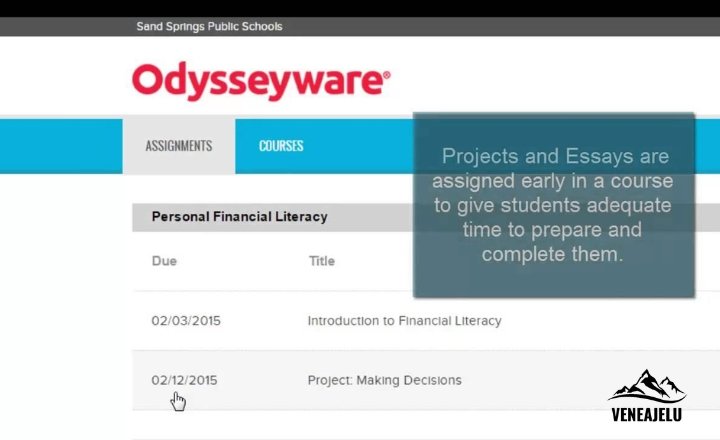
Odysseyware is an online learning platform used by schools for middle school and high school courses. It’s often assigned in alternative schools, credit recovery programs, virtual academies, and sometimes even in traditional classrooms.
The platform is designed to be self-paced. That sounds great at first. You can move quickly if you understand the material. You can take your time if you don’t.
But here’s the catch.
Self-paced doesn’t always mean self-explanatory.
Lessons can feel text-heavy. Instructions can be vague. And sometimes the practice questions don’t clearly match what was just taught. That gap is usually why students start searching for odysseyware assignment answers in the first place.
They’re not lazy. They’re frustrated.
Why Students Search for Odysseyware Assignment Answers
Let’s be honest for a second.
You open an assignment. It’s long. The reading feels repetitive. You scroll. Scroll again. Then you hit a question that seems slightly different from what you just read.
Now what?
Some students panic. Others open another tab and type in odysseyware assignment answers hoping someone has already done the work.
The search usually happens because:
- The lesson didn’t click
- The student is behind schedule
- The deadline feels tight
- The instructions weren’t clear
- There’s pressure from parents or teachers
It’s rarely about avoiding learning entirely. It’s about avoiding failure.
That distinction matters.
The Risk of Copying Without Understanding
Quick answers can feel like relief. You paste them in. You pass the assignment. You move on.
But here’s the hidden problem.
Odysseyware builds on itself. If you skip understanding early material, later lessons become harder. Quizzes get tougher. Projects require actual explanation.
And if a teacher reviews progress reports, sudden perfect scores can raise questions.
More importantly, you lose confidence. You don’t actually know whether you understand the subject.
It’s like stacking bricks without cement. Eventually, something collapses.
A Smarter Way to Approach Tough Assignments
Instead of chasing odysseyware assignment answers blindly, try a different method.
First, slow down. That sounds basic, but most students rush through the reading because it feels long. Instead, read one small section. Then pause. Summarize it in your own words.
Second, use the lesson structure. Odysseyware lessons usually follow a pattern:
- Introduction
- Key concept explanation
- Example
- Practice question
If you’re stuck on a question, scroll back up. The answer is often phrased almost the same way in the text.
Third, take notes in plain language. Not fancy. Not textbook style. Just simple statements like:
“Photosynthesis = plants use sunlight to make food.”
That alone improves retention.
When You Truly Don’t Understand the Material
There’s a difference between rushing and genuinely not understanding.
If you’ve read the lesson twice and it still doesn’t make sense, that’s not a failure. It’s a signal.
This is where real help matters.
You can:
- Ask your teacher for clarification
- Watch a short explainer video on the same topic
- Use a different online resource for a second explanation
- Study with a friend taking the same course
Sometimes hearing the same idea explained in a new way makes everything click.
How Teachers View the Search for Answers
Most educators know students look for odysseyware assignment answers. It’s not a secret.
What teachers usually care about isn’t perfection. It’s progress.
If they see effort, gradual improvement, and consistency, that matters far more than one flawless quiz.
Some teachers even prefer students asking for help instead of quietly copying.
You’d be surprised how often teachers say yes when you email something simple like:
“I’m stuck on lesson 3. Can you explain the difference between these two terms?”
That small message can save hours of stress.
Time Pressure: The Real Problem
A lot of the pressure around Odysseyware assignments isn’t about difficulty. It’s about time.
Self-paced learning sounds flexible, but many programs still set weekly targets. Fall behind one week and the workload doubles the next.
That’s when the urge to search for odysseyware assignment answers spikes.
Here’s a better strategy.
Break assignments into short daily blocks. Instead of doing two full lessons in one exhausting sitting, do half a lesson each day.
Momentum beats cramming.
Building Skills Instead of Just Finishing Tasks
Let’s zoom out for a moment.
What’s the goal here?
Is it just finishing a module? Or actually understanding math, science, history, or English well enough to use it later?
When students rely only on copied answers, they train themselves to avoid thinking deeply. Over time, that habit spreads beyond one class.
But when you struggle through a problem and finally get it right, something shifts. You trust yourself more.
That confidence carries forward.
Common Subjects Students Struggle With in Odysseyware
Certain courses trigger more searches for odysseyware assignment answers than others.
Math is a big one. Especially algebra and geometry. One missed concept can block the next five lessons.
Science courses come next. Biology vocabulary and chemistry equations can feel overwhelming.
English writing assignments can also be tricky. Essay questions require personal thinking, not just selecting an option.
In each case, the solution isn’t always “find the answer.” It’s often “understand the process.”
For math, redo practice problems.
For science, rewrite definitions in your own words.
For English, outline your ideas before writing full paragraphs.
Simple shifts. Big difference.
The Emotional Side of Online Learning
This part doesn’t get discussed enough.
Online learning can feel isolating. You’re staring at a screen. There’s no classroom buzz. No quick question to the person next to you.
When confusion hits, it feels heavier.
That isolation pushes students toward search engines. Searching for odysseyware assignment answers becomes a way of not feeling alone in the struggle.
But there are better ways to reduce that stress.
Create a small study routine. Even just sitting at the same desk at the same time each day helps your brain shift into “focus mode.”
Keep distractions minimal. Phone in another room if possible.
And celebrate small wins. Finishing one lesson is progress.
Academic Integrity and Long-Term Impact
Let’s address something directly.
Repeatedly copying full answers without understanding them can lead to academic integrity issues. Some schools monitor patterns. Others use plagiarism detection tools for written assignments.
Getting flagged once can create bigger problems than one difficult lesson ever would.
More importantly, habits formed now stick.
Learning how to face confusion, ask for help, and work through problems builds resilience. That skill matters far beyond Odysseyware.
If You’re Already Behind
Maybe you’re reading this and thinking, “I’m already weeks behind.”
Okay. Take a breath.
Start with one subject. Just one.
Open the next unfinished lesson and commit to completing it honestly. Don’t worry about the entire backlog. Focus on today.
Email your teacher and explain the situation briefly. Many educators adjust pacing if they see genuine effort.
Searching endlessly for odysseyware assignment answers might feel productive, but real progress comes from action.
Turning Odysseyware Into an Advantage
There’s actually something powerful about self-paced systems like Odysseyware.
You control the speed.
If you understand a topic quickly, you can move faster than a traditional classroom would allow. That’s freedom.
If you need extra time, you can take it without feeling embarrassed in front of peers.
Used correctly, the platform can work for you instead of against you.
A Different Perspective on “Answers”
Maybe the real shift is this:
Instead of looking for finished odysseyware assignment answers, look for explanations.
Look for why something works.
When you understand the “why,” the correct answer often becomes obvious.
And once that happens a few times, you won’t feel the same panic when facing new assignments.
You’ll think, “I can figure this out.”
That’s a powerful mindset.
Final Thoughts
It’s easy to type odysseyware assignment answers into a search bar when things feel overwhelming. Almost everyone has considered it at some point.
But long-term growth comes from understanding, not shortcuts.
Use the platform strategically. Break lessons into smaller pieces. Ask for help when needed. Take notes in your own words. Move consistently instead of perfectly.
Read More: Little Babog Family Lifestyle Travel Blog